
The Concept of Luck in Gambling
Luck is often considered a fundamental element of gambling, especially in a casino environment where the outcomes are typically left to chance. Many players enter casinos with the belief that luck can sway the results of their games, influencing everything from the flip of a card to the roll of a dice. This reliance on luck stems from the unpredictable nature of games such as slots, roulette, and even certain card games, where the outcomes are not solely determined by skill or strategy. For those interested in exploring various options, there are numerous betting sites that offer unique experiences tailored to enhance the thrill of chance. Understanding this concept of luck is essential for anyone looking to navigate the casino experience effectively.
The perception of luck can dramatically affect a player’s behavior and mindset. For instance, those who believe in lucky charms or rituals may find themselves more confident as they gamble. This psychological aspect reinforces the notion that luck plays a significant role; after all, if a player feels lucky or has a strong belief in their ability to attract good fortune, they are likely to engage more enthusiastically, potentially leading to better outcomes, regardless of the actual odds. The interplay between belief and performance is a captivating aspect of gambling psychology that many players overlook.
However, while luck can be a contributing factor, it is essential to recognize that casinos are designed to ensure that the odds are always in favor of the house. Each game has a specific house edge, meaning that over time, the casino will statistically win more money than the players. Thus, while moments of luck can enhance individual experiences, they do not alter the fundamental probabilities that govern gambling outcomes. Players must approach their gaming sessions with an understanding of these odds to avoid common pitfalls associated with overestimating luck.
The Role of Skill and Strategy
While luck often takes center stage in discussions about casino success, skill and strategy can play crucial roles, particularly in games like poker and blackjack. In poker, for example, players must not only rely on the cards they are dealt but also on their ability to read opponents, calculate odds, and employ strategies to maximize their chances of winning. This indicates that success in such games is not purely incidental; instead, it is a combination of skillful play and the unpredictable nature of the cards. A well-executed strategy can often mitigate the randomness of luck, allowing skilled players to thrive even in a luck-driven environment.
Similarly, in blackjack, players can utilize strategies like card counting to shift the odds slightly in their favor, demonstrating that skillful decision-making can complement luck. Knowledge of the rules, table dynamics, and statistical probabilities can provide players with an advantage, allowing them to navigate the game’s inherent randomness more effectively. This blend of strategy and chance highlights the importance of preparation and knowledge in enhancing one’s gaming experience. Players who invest time in learning the nuances of their chosen games often find themselves more successful than those who rely solely on luck.
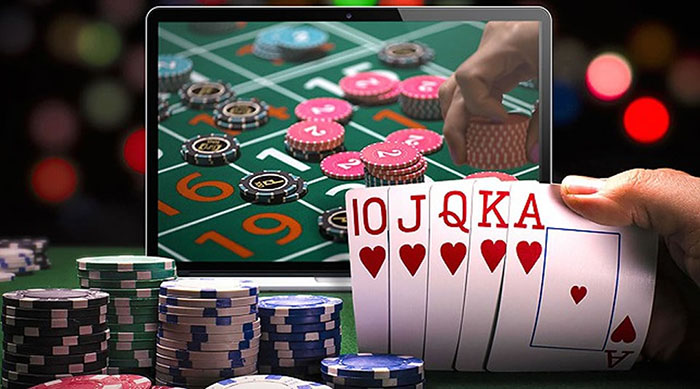
In other games, however, skill may have a minimal impact on results. For example, slot machines operate on random number generators, making the outcomes strictly dependent on luck. Players cannot influence the results through skill; instead, they must rely on chance. This underscores the importance of distinguishing between different types of games within a casino, as some lend themselves to skill while others are purely luck-based. Understanding the nature of each game can help players manage their expectations and approach their gaming with a clear strategy that reflects the odds involved.
The Psychological Impact of Luck on Players
The belief in luck can have profound psychological effects on players, impacting their overall gambling experience. When players experience a winning streak, they often attribute their success to luck, which can lead to a heightened sense of excitement and euphoria. This emotional state can sometimes cloud judgment, leading to riskier bets and impulsive decisions that may not align with their strategic thinking. Such behavior can spiral into chasing losses, as players attempt to recreate their ‘lucky’ moments, often leading to detrimental financial consequences. The psychology of winning and losing is a crucial aspect that influences player behavior in the casino.
Conversely, when players encounter a losing streak, the belief in bad luck can negatively influence their confidence and enjoyment of the games. This can result in players withdrawing or playing conservatively, shying away from games that once brought them pleasure. Understanding the psychological aspects of gambling can help players maintain a healthy relationship with luck, enabling them to differentiate between chance occurrences and their strategic decisions. This awareness is vital for sustaining a positive gaming experience, as it allows players to recognize when they need to step back and reassess their approach.
Moreover, casinos often exploit the psychological effects of luck to enhance their gaming environments. They may use elements like lights, sounds, and celebratory announcements during wins to foster a sense of luck and success among players. This can create an illusion that luck is more prevalent in that environment, encouraging players to continue gambling in hopes of experiencing that same winning sensation. Thus, the casino landscape is heavily influenced by how luck is perceived, affecting both player behavior and overall experience. Recognizing these tactics can empower players to make more informed choices during their visits to the casino.
Balancing Luck and Responsible Gambling
Recognizing the interplay between luck and responsible gambling practices is vital for a sustainable approach to casino gaming. While players may feel tempted to chase luck with higher stakes or prolonged sessions during winning times, it’s crucial to establish clear boundaries and a budget. Setting limits on time and money spent can help mitigate the risks associated with gambling, ensuring that luck remains a source of enjoyment rather than a financial burden. This disciplined approach can help players enjoy the thrill of the game while protecting their financial health.
Furthermore, players should always keep in mind that gambling should be treated as a form of entertainment rather than a reliable source of income. Many individuals fall into the trap of believing that luck will eventually favor them, which can lead to increased pressure to win. By understanding that success is not guaranteed and that losses are a common part of the gambling experience, players can approach games with a healthier mindset, focused more on enjoyment than on the pursuit of luck-driven success. This perspective is essential for maintaining a balanced and enjoyable gambling experience.
Education about the odds and mechanics of various games can also empower players to make informed choices. Knowing the house edge for different games allows individuals to weigh the potential for success against the reality of their chances. This informed approach fosters a more balanced view of luck, where players can appreciate moments of fortune while remaining aware of the underlying probabilities that ensure overall responsible gambling practices. By prioritizing education, players can enhance their gaming strategies and overall enjoyment.
Exploring Your Options for Online Gaming
With the rise of online casinos, players now have access to a variety of gaming options from the comfort of their own homes. These platforms often provide a plethora of games, allowing individuals to explore different experiences in a virtual setting. Online gaming can cater to various preferences and skill levels, making it easier for players to find games that suit their approach and understanding of luck. The convenience and variety available online can significantly enhance the overall gaming experience.
Moreover, many online casinos emphasize responsible gaming by offering tools and resources to help players manage their gambling habits. Features like self-exclusion, deposit limits, and time-out options can empower players to maintain control over their gaming activities. Knowing that these resources are available can create a safer gambling environment, where luck can be enjoyed without the looming threat of compulsive behavior. This focus on responsible gaming is critical in ensuring that players can enjoy their experiences without the risks associated with excessive gambling.
Additionally, the technological advancements in online gaming have led to innovative features, such as live dealer games that blend the thrill of casino play with the convenience of online access. Players can engage with real dealers and experience the excitement of a physical casino atmosphere while still relying on luck and strategy. As this space continues to evolve, balancing the excitement derived from luck with responsible gaming practices will remain critical for long-term enjoyment. The future of online gaming looks promising, with opportunities for enhanced experiences and improved player safeguards.